
When choosing frames for your rooflights or skylights, the aluminium vs uPVC debate is one of the most important decisions UK property owners face. The right frames can transform your home with natural light while providing decades of reliable performance. But only if you go with a material designed to last. Join us as we explore aluminium vs uPVC rooflights in detail, helping you to understand which skylight frames deliver the best combination of performance, durability, and value for money in a British climate that can be wet and windy.
Rooflight Frame Material: Understanding the Fundamentals
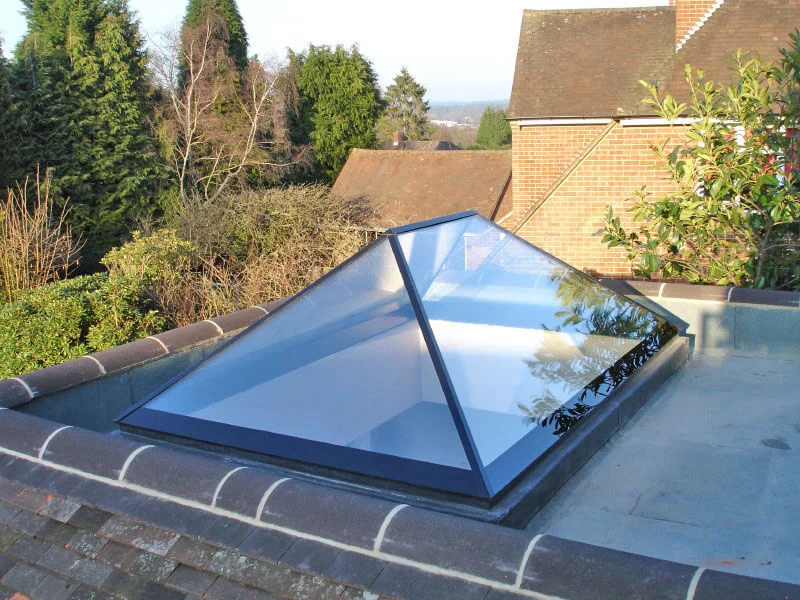
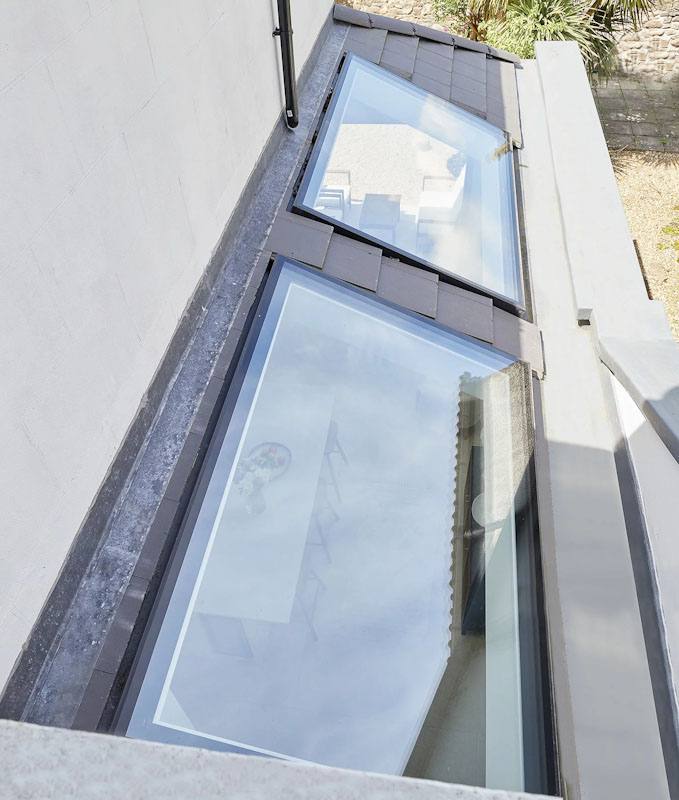
Simply put, aluminium skylight frames are a must for modern homes. These lightweight yet strong frames offer structural integrity whilst maintaining slim profiles that maximise your glazed area without compromising on reliability. Add to that advanced thermal break technology and glazing units, and you’ve got a rooflight that offers style as well as outstanding energy efficiency.
Alternatively, some homeowners may want to opt for cheaper options like uPVC skylight frames. uPVC has been traditionally chosen for affordability and basic weather resistance. However, when comparing aluminium vs uPVC skylights for roof installations, significant performance differences emerge that homeowners should keep in mind.
The Case for Aluminium
Superior Structural Performance for UK Weather
Skylight frames are ideal for UK homes and climates as they can withstand our unpredictable weather. Your property experiences everything, from heavy snow to intense summer heat, and your rooflights need to perform with these shifts in temperature, debris, and water ingress.
As such, aluminium skylight frames from a specialist supplier, like Roof Maker, are more premium as they maintain their structural integrity through decades of thermal cycling.
This is in sharp contrast to cheaper uPVC which can become brittle in cold weather and expand significantly in heat. This makes aluminium the clear winner in the aluminium vs uPVC skylights comparison for long-term reliability often lasting decades longer than their plastic counterparts.
Energy Efficient Skylight Frames That Deliver
When it comes to saving money on heating bills, uPVC frames offer the best insulation and ths energy efficiency. However, high-end aluminium skylight frames must meet stringent UK building regulations whilst keeping heating costs down. This along with engineered thermal breaks means that both materials can achieve good energy ratings.
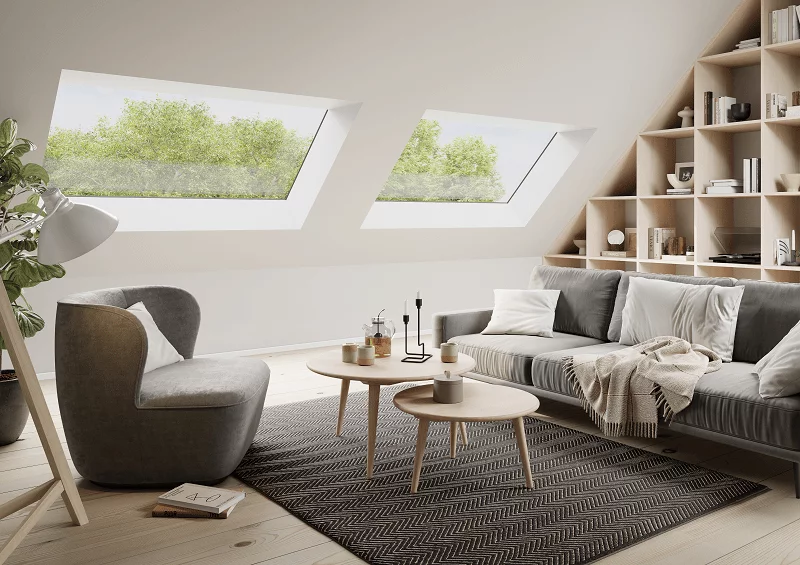
The slim profiles of aluminium skylight frames also allow for larger glazed areas, which can actually improve your home’s overall energy efficiency by reducing reliance on artificial lighting during daylight hours.
Skylight Frames for UK Homes: Design and Aesthetics
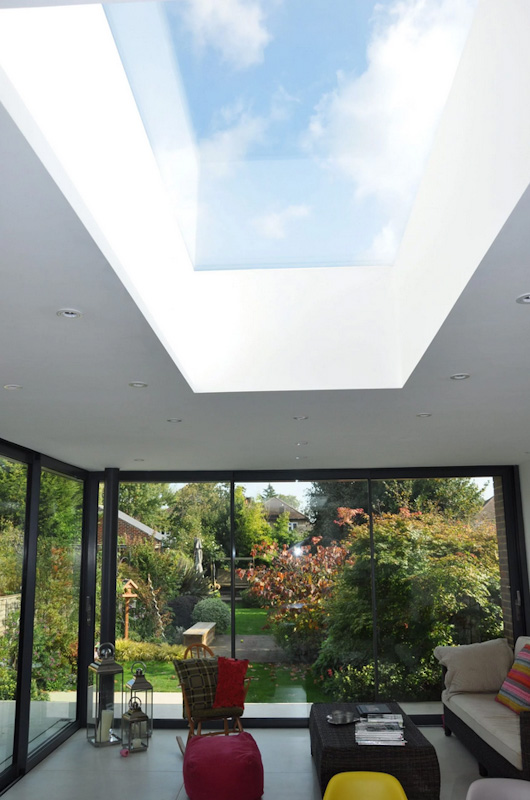
Aside from performance, aluminium rooflight frames also look better and fit into a wide range of home designs. Our fixed flat or pitched rooflights, as well as slimline roof lanterns can be painted in virtually any RAL colour to ensure this sleek look fits seamlessly into your home’s design.
This variety along with incredibly slim sightlines – often much slimmer than bulky uPVC alternatives – creates a sleek, contemporary appearance that adds genuine value to UK properties.
The Lifespan of Quality Skylight Frames
Ultimately, when evaluating aluminium vs uPVC skylights, it all comes down to how long they can last. Aluminium’s extended lifespan is a crucial factor in this calculation and can last, on average, double the time of uPVC alternatives. However, our products’ longevity doesn’t end there, as we use marine-grade powder coating to further protect your aluminium frames from rain and years of use.
For UK homeowners making a significant investment in natural light, choosing skylight frames that will perform reliably for decades makes financial sense. This makes aluminium cheaper in the long run despite a larger initial cost.
Professional Installation: Maximising Your Investment
For modern homeowners, improving energy efficiency is great for the wallet as well as the environment; and aluminium framed rooflights are a great way to help both. This means whether you’re looking to invest in your dream home, or want to improve your property’s value and appeal for future sale, choosing advanced aluminium skylights from Roof Maker can help.
At Roof Maker, we have years of experience improving homes, commercial properties, and more with our range of rooflights and roof lanterns. If you’re interested in finding out more about our products or what we can do for you, contact our team today.
Frequently Asked Questions About Roofllight Frames for UK Homes
Q: In the aluminium vs uPVC skylights comparison, which offers better value for money?
While aluminium skylight frames cost more initially, their longer lifespan compared to uPVC often makes them more cost-effective long-term. The superior weather resistance and minimal maintenance requirements provide excellent value for UK homeowners.
Q: Are aluminium skylight frames suitable for traditional UK properties?
Absolutely. Modern aluminium skylight frames can be powder-coated in heritage colours and offer slimmer profiles than bulkier alternatives with many conservation areas preferring the discrete appearance of aluminium skylight frames.
Q: What makes skylight frames weather-resistant for UK conditions?
Weather-resistant skylight frames need corrosion resistance, thermal stability, and UV protection. Aluminium naturally provides all three.
Q: Do energy-efficient skylight frames reduce heating bills?
Yes, quality energy-efficient skylight frames with thermal breaks and high-performance glazing can significantly reduce heat loss whilst the increased natural light reduces electricity usage during daylight hours.
Q: How large should skylight frames be for optimal natural light?
Larger rooms or those with limited wall windows may benefit from bigger installations. A professional consultation with our team can help you find the right size for your home.
Q: Are aluminium skylight frames environmentally friendly?
Yes, aluminium is 100% recyclable without property loss, and the extended lifespan means fewer replacements over decades. The energy efficiency also reduces your home’s carbon footprint through lower heating requirements.