
According to Ofgem, the energy price cap for Q1 2026 stands at £1,758 per year for a typical household. That’s still around 45% higher than winter 2021/22 levels, according to House of Commons Library research.
With little prospect of a return to pre-crisis prices, that same parliamentary research is blunt: “the only way to substantially reduce energy bills, while still adequately heating and powering homes, is to improve the energy efficiency of properties.”
For most homeowners, that means thinking about insulation, boilers, or draught-proofing. But there’s another option that not only improves efficiency but transforms how your home looks and feels — quality rooflights and roof lanterns with advanced glazing technology. Join us as we explore how modern skylights can make a real difference to your energy bills and your quality of life.
Where Does Your Home Lose Heat?
Understanding where heat escapes is the first step to tackling it. According to the Energy Saving Trust, a typical uninsulated UK home loses heat in roughly these proportions: around a third through the walls, approximately a quarter through the roof, about 10% through the floor, and the remainder through windows, doors, and draughts.
That 25% figure for the roof is significant. It means that anything installed in your roof — including rooflights — plays a direct role in either contributing to or preventing that heat loss. A poorly specified rooflight with inadequate glazing can become a weak point in your home’s thermal envelope. But a well-engineered rooflight with advanced glazing technology actually strengthens it, keeping warmth where it belongs.
This is where understanding Ug-values becomes important.
Ug-Values Explained: The Number That Matters
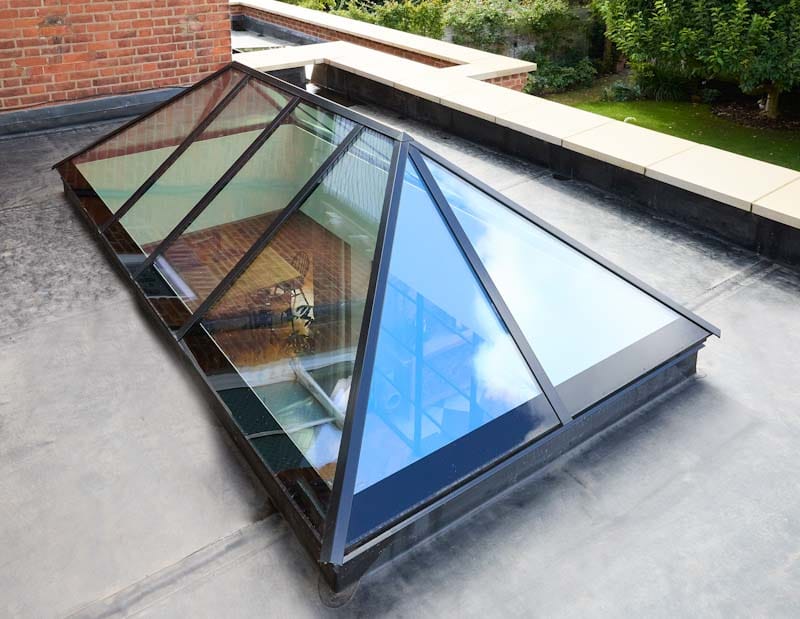
When comparing rooflights, the Ug-value is one of the most useful metrics to understand. It measures the thermal performance of the glazing at the centre of the pane — specifically, how quickly heat passes through the glass, expressed in watts per square metre per degree of temperature difference (W/m²K). The lower the number, the less heat escapes.
Here’s how different glazing types typically compare at the centre pane:
| Glazing Type | Typical Ug-Value (W/m²K) |
|---|---|
| Older double glazing | ~2.8 |
| Modern A-rated double glazing | ~1.0 |
| Standard triple glazing (argon-filled) | ~0.7–0.8 |
| Roof Maker roof lanterns | As low as 0.8 |
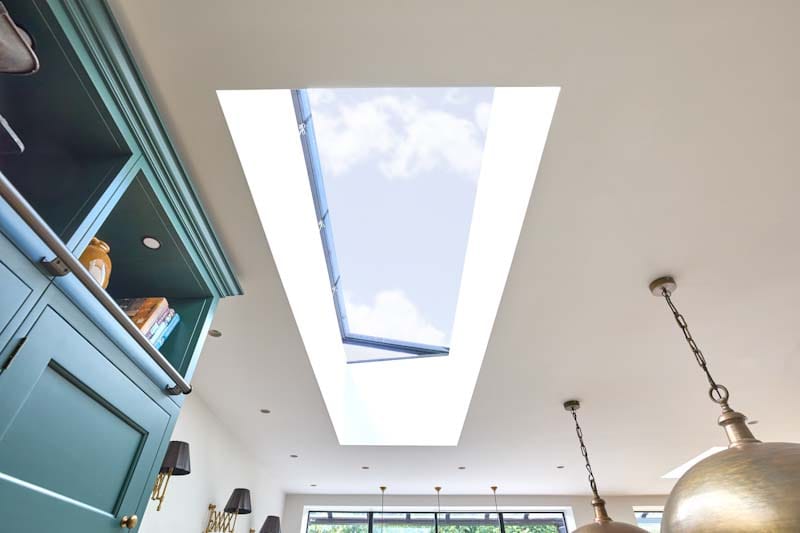
| Roof Maker flat rooflights | As low as 0.5 |
To put that in practical terms, Roof Maker’s triple glazed range is up to 60% better at reducing heat loss through the glass than the very best A-rated double glazing. That’s a meaningful difference when you consider that heat rises naturally and a rooflight sits directly in the path of that escaping warmth.
Current UK Building Regulations (Part L) require rooflights to achieve a maximum overall U-value of 2.2 W/m²K. Roof Maker’s products don’t just meet this requirement — they far exceed it. And with the Future Homes Standard expected to tighten these limits further, choosing high-performance glazing now means your investment is already future-proofed.
It’s worth noting that Ug-values measure the centre pane only. The overall thermal performance of a rooflight also depends on the frame, spacers, and installation quality — which is why choosing quality aluminium frames with thermal breaks matters just as much as the glass itself.
How Skylights Cut Your Lighting Bills
Energy efficiency isn’t only about keeping heat in — it’s also about reducing what you consume. Artificial lighting accounts for a meaningful share of household electricity use, and this is an area where rooflights deliver a clear advantage.
Research published in the International Journal of Low-Carbon Technologies found that around 17% of energy consumed in buildings is wasted through lighting inefficiencies, largely caused by over-reliance on artificial light during daylight hours. Rooflights address this directly. Because they allow light in from overhead, they illuminate rooms more evenly and penetrate deeper into a space than vertical windows alone.
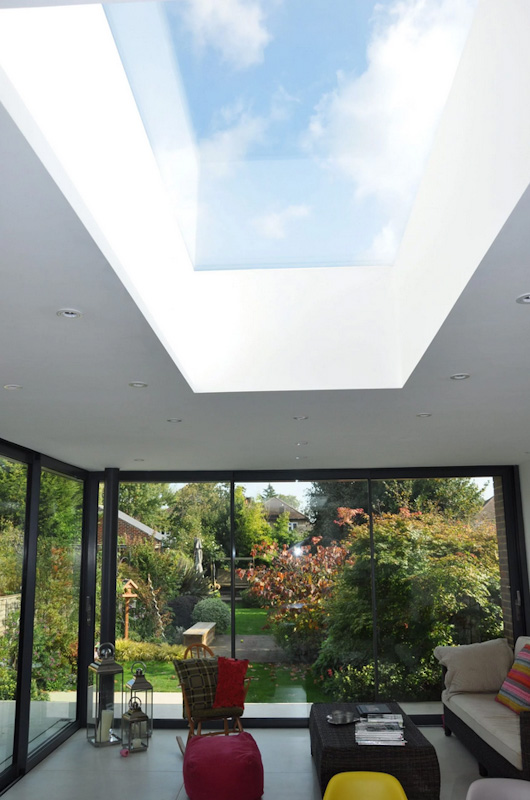
This is particularly impactful in areas where traditional windows aren’t practical — hallways, staircases, internal bathrooms, and central areas of open-plan extensions. These are spaces that would otherwise rely entirely on electric lighting during the day.
The effect compounds over time. Fewer lights switched on means lower electricity bills, less wear on bulbs and fittings, and a home that works with the daylight rather than against it. And with UK sunlight hours gradually increasing over the decades, the case for maximising natural light in your home only gets stronger.
Solar Heat Gain: Free Warmth from the Sun
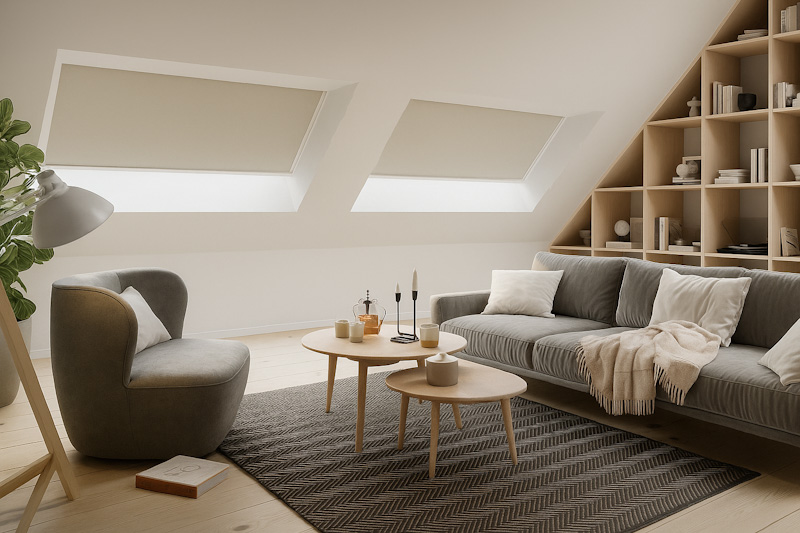
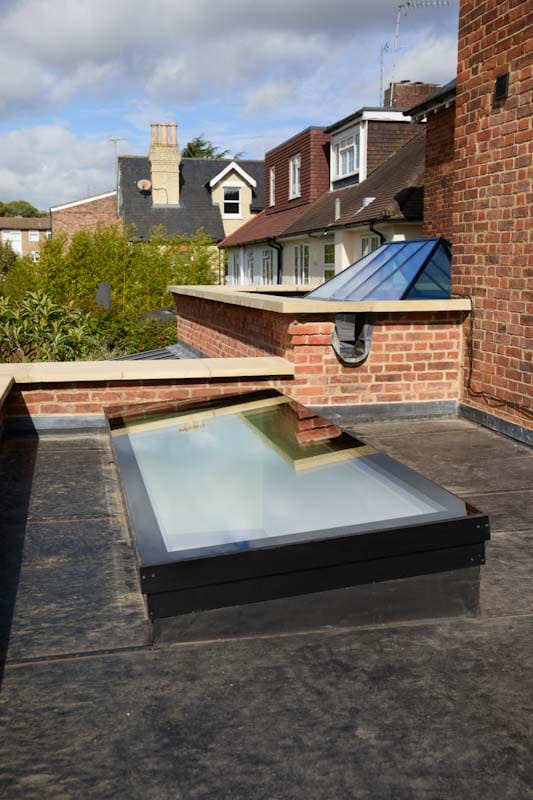
Quality rooflights don’t just prevent heat loss — they actively capture energy from the sun. When sunlight passes through glass, it warms the surfaces and air inside your home. This is known as solar heat gain, and it’s essentially free heating.
The key is balance. South-facing rooflights can support passive heating during the cooler months, reducing the load on your central heating. North-facing installations, meanwhile, provide consistent, even daylight without the risk of overheating — ideal for home offices or bedrooms.
Modern glazing technology makes this balancing act much easier. Triple glazing with low-emissivity coatings retains indoor warmth while still allowing beneficial solar energy through. And for those south-facing installations where summer overheating is a concern, Roof Maker rooflights can be specified with solar control glazing to limit excess heat gain without sacrificing light transmission.
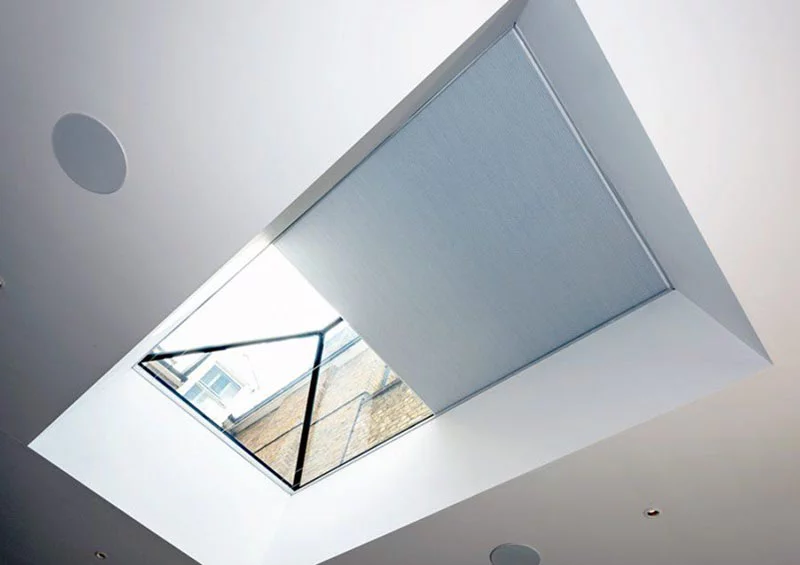
For even greater control, automated blinds offer the ability to manage light and heat throughout the day — particularly useful in conservatories, kitchen extensions, and rooms with large glazed areas. Between solar control glass and blinds, you have complete flexibility to enjoy the sun’s warmth when you want it and block it when you don’t.
Triple Glazing vs Double Glazing: Is the Upgrade Worth It?
Modern double glazing is already a significant improvement over older installations. But when it comes to rooflights — where the glass is directly exposed to the elements overhead — the case for triple glazing becomes even more compelling.
The Federation of Master Builders states that triple glazing can be up to 50% more energy efficient than double glazing. In terms of Ug-values, modern A-rated double glazing typically achieves around 1.0 W/m²K at the centre pane, while quality triple glazing with argon or krypton gas fills can reach 0.5–0.7 W/m²K.
The cost premium for triple glazing in rooflights is typically around 10–20% more than equivalent double-glazed units. While the direct energy bill savings may seem modest in isolation, the comfort improvements are immediate. Triple glazing virtually eliminates cold spots beneath rooflights, reduces condensation risk, and maintains a more stable indoor temperature — meaning your heating system works less hard, especially on cold winter nights.
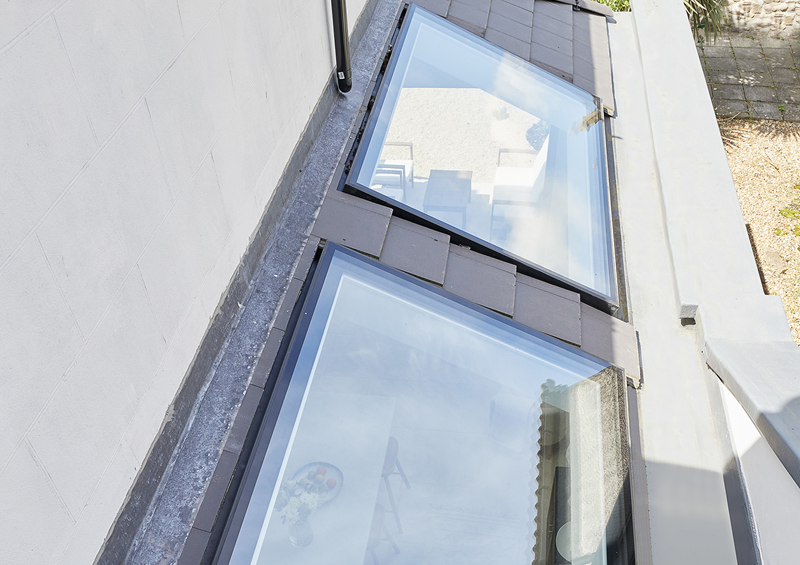
For anyone investing in a kitchen extension or open-plan living space — where large areas of overhead glazing are increasingly popular — triple glazing is arguably essential. As one of our customers, Alex from Cheadle Hulme, put it when explaining why he chose triple glazed Luxlite® rooflights for his extension: “We like the whole Roof Maker range, however we decided to go for the Luxlite® rooflights for our pitched roof — with the triple glazed element for extra U-value on our extension.”
Alex also opted for solar glass to provide UV protection for furniture and flooring, and chose a Triple Glazed Fixed Flat rooflight for the landing after the extension had removed the windows in that area. He described the result as “a genius solution to natural lighting when there is no option for any standard windows.” You can read more about Alex and Ellie’s renovation in our Cheadle Hulme case study.
The Future Homes Standard: Why Choosing Well Now Matters
The UK government’s Future Homes Standard is set to introduce significantly stricter energy efficiency requirements for new builds. While the exact U-value requirements for rooflights haven’t been fully confirmed at the time of writing, the direction of travel is clear — current minimums will tighten, and higher-performance glazing will become the norm rather than the exception.
Part L 2021 was introduced as a “stepping stone” toward these targets, and already requires rooflights to meet a maximum overall U-value of 2.2 W/m²K. The Future Homes Standard is expected to push further, alongside stricter airtightness requirements and a greater emphasis on overheating prevention.
For homeowners planning an extension or renovation now, the practical implication is straightforward: choose products that already exceed current regulations. This avoids the risk of your investment falling short of future standards and ensures your home’s EPC rating benefits from the best available glazing technology.
Roof Maker’s products are designed with this forward-thinking approach. With Ug-values as low as 0.5 W/m²K and thermally broken aluminium frames, our rooflights are built to meet not just today’s standards but tomorrow’s.
Practical Tips for Maximising Energy Efficiency with Rooflights
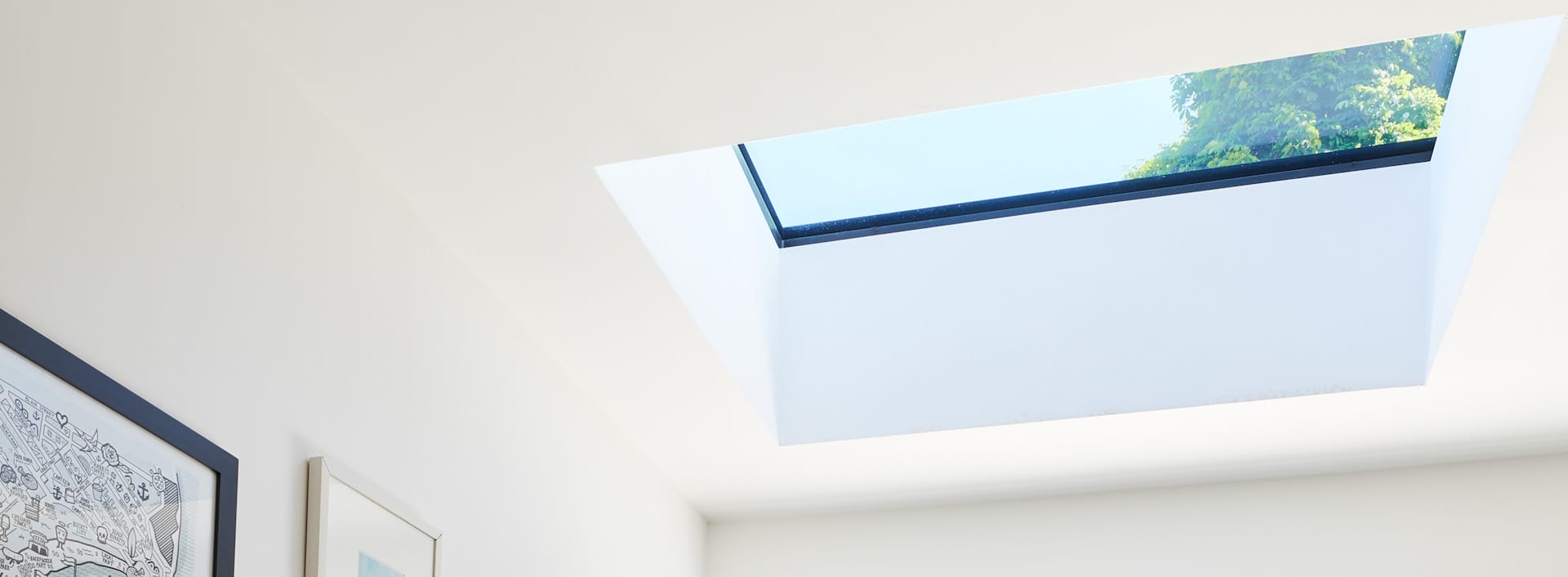
Getting the most from your rooflights starts with positioning. South-facing installations capture valuable solar heat gain during winter, while north-facing rooflights provide steady, glare-free daylight — ideal for working from home. Think about the room’s purpose and how the light will move through the day before deciding on placement.
Size matters too. For roof lanterns, a general rule of thumb is that the lantern should cover between 10–20% of the floor area below for optimal visual and thermal impact. For flat rooflights, working with your supplier to match the glazing area to the room’s proportions ensures you get the light you want without unnecessary heat loss.
Frame quality is often overlooked but plays a critical role. Aluminium frames with thermally broken construction prevent cold bridging — the phenomenon where the frame itself conducts heat out of your home. This is one of the reasons aluminium consistently outperforms cheaper uPVC alternatives in long-term thermal performance.
Ventilation is another consideration. Opening rooflights in kitchens and bathrooms help to clear moisture and reduce condensation — issues that themselves waste energy if left unchecked. Damp air is harder to heat, so good ventilation and good glazing work hand in hand.
Finally, don’t underestimate the value of professional installation. Even the best glazing technology can underperform if poorly fitted. Airtight installation prevents draughts and ensures the rooflight integrates seamlessly with your roof’s insulation layer.
The Bigger Picture: Rooflights as Part of a More Efficient Home
Rooflights work best as part of a broader approach to home efficiency. They complement insulation upgrades, modern heating systems, and improved airtightness — each element reinforcing the others.
The UK government recognises this. According to the Energy Saving Trust, the Warm Homes Plan is set to invest close to £15 billion in improving the energy efficiency of UK homes, with support ranging from fully funded insulation for lower-income households to low-interest loans for homeowners.
Beyond the financial case, there’s a wellbeing argument too. Natural light has been shown to improve mood, support better sleep cycles, boost vitamin D, and enhance productivity — particularly relevant as more of us work from home. Homes with higher EPC ratings also tend to command higher resale values, making energy-efficient glazing an investment that pays dividends far beyond your monthly energy bill.
Making the Right Investment
Quality rooflights are one of the few home improvements that deliver on multiple fronts — lower energy bills, a brighter and more comfortable living space, increased property value, and a home that’s ready for whatever tighter regulations come next.
With Ug-values as low as 0.5 W/m²K and industry-leading glazing technology, Roof Maker products are designed to perform in Britain’s challenging climate for decades to come. Explore our range of rooflights and roof lanterns or get in touch with our team to find the right solution for your home.